12 min read
Last Updated: 20 November 2025
HR ticketing systems reshape how organizations manage employee queries and requests. HR staff members spend up to 57% of their time on administrative tasks. This significant time investment leaves them with minimal capacity to focus on strategic initiatives that could benefit the business. The administrative load creates more concern as 70% of HR leaders don't deal very well with people challenges and talent gaps.
Our team has evaluated more than 2,000 tools for different HR management use cases and published over 1,000 detailed software reviews. This extensive research reveals that modern hr analytics tools can transform reactive processes into proactive, intelligent support systems. On top of that, hr analytics software offers evidence-based guidance to help teams that face mounting pressure - 42% of HR departments feel overwhelmed by too many projects and responsibilities. A ray of hope exists despite these challenges. McKinsey's research suggests automation could boost global productivity growth by 0.8 to 1.4% each year.
In this piece, we'll examine how hr ticketing system categories have evolved beyond simple helpdesk functionality. We'll explore how hr helpdesk ticketing system solutions gather valuable employee data, and how hr shared services ticketing system platforms convert this information into business intelligence that powers organizational success.
What is an HR Ticketing System and Why It Matters
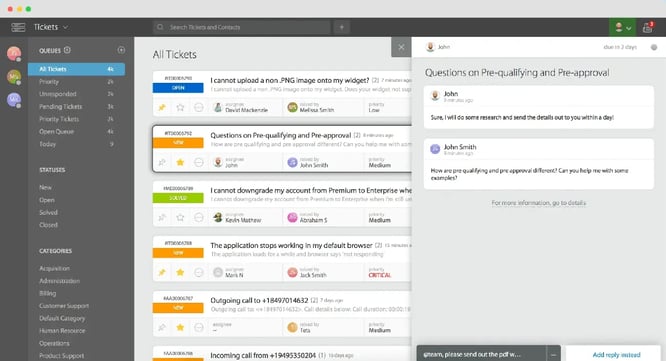
Image Source: ProProfs Help Desk
Organizations today handle endless employee questions, requests, and concerns. They need a quick way to manage all these interactions. A good HR ticketing system gives structure to these daily conversations.
Definition and Core Purpose of HR Ticketing Systems
An HR ticketing system is a centralized digital platform that captures, sorts, tracks, and resolves employee questions and problems. Think of it like raising your hand in class - employees submit their HR questions through a formal channel, and the system turns them into "tickets" for step-by-step resolution.
These systems work like command centers for HR teams. They combine all communications - emails, chats, phone calls, face-to-face talks - into one dashboard that creates trackable processes anyone can review. This central hub eliminates scattered requests and lets everyone see the status of each question.
Good HR ticketing systems send requests automatically to the right team members based on set rules. Payroll specialists get payroll questions. The benefits team handles benefits questions. Employee relations experts take care of their cases. This smart routing makes sure the most qualified person handles each request.
The system does more than just manage requests. It builds employee trust in HR by creating clear ownership, consistent processes, and open tracking. This reliable structure helps everyone know what's happening with their requests.
Common Use Cases: From Payroll to Onboarding
HR ticketing systems help with many parts of the employee lifecycle. Here are the most common areas:
- Payroll and Compensation: Employees ask about their paychecks, tax math, deductions, and look up old pay records.
- Benefits Enrollment and Management: The system makes it easy to ask about health insurance, retirement plans, and other benefits.
- Onboarding and Offboarding: HR teams handle paperwork, policy sign-offs, equipment needs, and system access for new and departing employees.
- Leave Management: Staff can ask for time off, check their leave balance, and turn in documents for different types of leave.
- Employee Relations: Workers submit private concerns about workplace rules, performance reviews, or people issues.
Many modern systems include self-service knowledge bases. Employees find answers on their own before submitting formal requests. This cuts down on repeat questions and gives staff quick access to company policies, procedures, and benefits information.
Limitations of Manual HR Request Management
HR departments without good systems run into problems that create friction throughout the company. Manual request tracking through shared emails and spreadsheets causes big issues as companies grow.
Manual tracking leaves everyone in the dark. Requests get lost in email chains, and employees don't know if anyone's working on their problems. This hurts trust in HR and makes service seem random.
Nobody knows who owns what in a manual system. Requests slip through cracks or take forever when responsibility isn't clear. HR leaders waste four weeks each year on administrative tasks they could automate - time better spent on strategic work.
Manual tracking increases compliance risks. Laws like the Fair Labor Standards Act (FLSA) require accurate records of employee hours, wages, and deductions. Human error in manual processes could lead to fines and penalties.
Manual systems create problems that get worse over time. Response times change based on who sees the request first. HR teams chase information instead of fixing issues. Employees get frustrated, and HR wastes time on unnecessary admin work.
Good HR ticketing systems solve these problems. They add structure, automation, and transparency that turns chaotic request management into a smooth, analytical process helping both employees and HR teams.
How HR Ticketing Systems Collect and Organize Employee Data
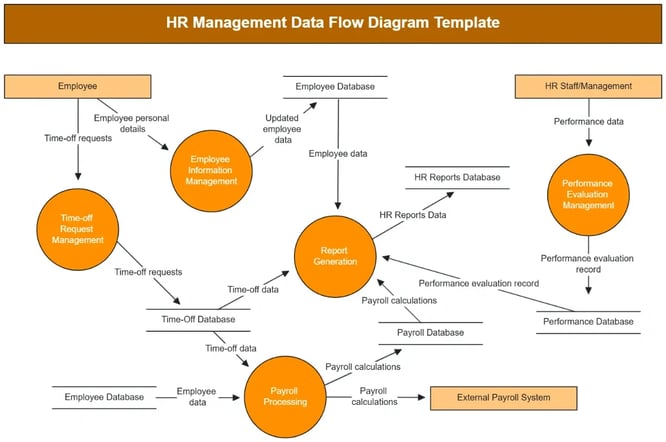
Image Source: Template.net
Simple request management isn't enough anymore. Modern HR ticketing systems use sophisticated methods that gather and organize employee data. This information creates the foundation for practical HR analytics that can change operations in organizations of all sizes.
Ticket Categorization and Metadata Tagging
The life-blood of HR ticket management lies in effective categorization. The system sorts issues by predefined criteria at the time employees submit requests. HR teams can sort tickets by ticket type, department, location, organizational unit, or job profile. This approach will give a faster resolution because requests reach the right team member quickly.
Teams can add more context through metadata tagging. Current HR ticketing systems let teams add multiple tags to requests. These tags create rich data points that make trend analysis easier later. To cite an instance, a payroll issue ticket might get tags like "payroll," "compensation," and "finance department". Leading platforms show this tagging system turns conversations into measurable data.
AI technology now changes this process through cognitive categorization. Latest HR ticketing systems analyze ticket content and suggest fitting categories automatically. This automation cuts down errors and speeds up processing by removing manual sorting steps.
Self-Service Portals and Knowledge Base Usage Logs
Self-service portals create valuable data beyond regular ticket submissions. HR platforms track metrics like article views, page visits, and search queries to monitor knowledge base use. These user actions show which resources employees need most and where information might be missing.
Knowledge base logs offer crucial insights. The data shows:
- Most viewed policies and documents
- Common search terms employees use
- Peak times when employees look for information
- Failed searches that point to missing content
HR departments use these patterns to spot common issues and create resources for frequent questions proactively. Studies show that good knowledge management through self-service portals can solve about 50% of employee questions without HR help.
Workflow Automation Logs and Escalation Paths
Workflow automation creates another data stream by recording each request handling step. The system logs timestamps for actions, approvals, and handoffs as tickets move through workflows. These detailed records help optimize processes and document compliance.
Escalation paths create structured data about handling special cases. A well-laid-out escalation template shows who handles each stage, their actions, and resolution time. The system records details about what triggers escalations, such as severe issues needing expert help, complex technical problems beyond basic support, or customer satisfaction issues.
These workflow logs provide valuable business insights by revealing service delivery bottlenecks. The data shows which requests need escalation, departments with slow resolution times, and team members who handle complex cases best.
This workflow data proves especially valuable for analyzing SLA compliance. Time-to-resolution metrics across request types help HR leaders spot service quality differences and areas to improve.
Turning Ticket Data into Actionable HR Analytics
HR ticketing systems turn basic employee request data into valuable business insights. Organizations can discover hidden patterns and trends in thousands of individual interactions through advanced analytics.
Trend Analysis from Repeated Employee Queries
Employee ticket patterns reveal organizational needs and ways to get better. HR analytics tools show repeated issues that point to system-wide problems needing attention. To cite an instance, many questions about a specific policy might show that the policy needs clarity or updates.
HR teams can spot knowledge gaps across departments or locations with analytics. Teams can create targeted resources that answer common questions by grouping tickets and tracking how often they appear. This forward-thinking approach lets teams build knowledge base articles that specifically answer frequent questions. Strategic content development reduces future ticket numbers.
Past ticket data creates an early warning system for potential issues. HR can take corrective steps, update internal policies, and optimize practices across the organization based on these insights.
Identifying Bottlenecks in HR Service Delivery
Complete HR analytics software shows service delivery problems by tracking key performance metrics. Quick responses to employee questions directly affect their satisfaction. Longer wait times lead to less satisfied employees. Resolution time shows how long employees wait for full answers. Long waiting periods cause frustration and lower productivity.
HR leaders can see if service stays consistent by watching service level agreement (SLA) rates. Industry standards suggest keeping at least 95% compliance with response time SLAs. Organizations should measure these key areas:
- Response times across priority levels
- Performance differences between communication channels
- Resolution times by request category
- Ticket volumes by department or topic
These numbers help HR departments find exact service delivery problems. Teams can improve staff placement, training programs, and HR efficiency with this information. If analytics show certain requests always take too long, teams can break down why it happens and create specific solutions.
Using Ticket Volume to Forecast Resource Needs
Past ticket data helps predict future HR service needs. HR departments can plan future staffing needs through workforce forecasting techniques by studying past ticket numbers. This predictive method answers important questions about capacity planning. Teams learn if they can handle new projects or need more resources.
HR teams can find busy periods that need extra support by looking at seasonal ticket patterns. Forecasting also shows when specific skills will be needed. Organizations can plan hiring and training ahead of time. Evidence-based forecasting has led to a 25% increase in productivity and an 80% improvement in hiring efficiency according to workforce analytics studies.
Ticket volume analytics help make budget decisions by showing real resource needs. HR leaders can justify staff numbers based on actual service demand instead of guesses. Organizations can place resources where needed, avoid extra hires, and give employees timely support. This approach changes HR from reacting to problems into a strategic business partner.
Integrating HR Ticketing Systems with Analytics Tools
Your HR ticketing system needs continuous connection with specialized analytics platforms to discover the full potential of employee data. This integration changes scattered information into meaningful insights that improve strategic decisions.
Connecting to HR Analytics Software like Visier or ThoughtSpot
Organizations now connect their HR ticketing systems to dedicated analytics platforms to get maximum intelligence from ticket data. ThoughtSpot, recognized as a leader in the 2024 Gartner Magic Quadrant for Analytics and BI, helps HR teams learn about data through natural language search capabilities. The platform connects smoothly with multiple databases and cloud data platforms including Snowflake, Teradata, and Databricks.
Visier offers another powerful solution that combines information from HR systems of all types. Users get immediate value from its pre-built library of metrics, questions, and dashboards without extensive setup. HR domain experts built Visier to standardize data automatically whatever the original format, which removes technical complexity usually found in analytics setup.
Data Sync with HRIS and Payroll Systems
HR analytics tools need constant synchronization with core HR information systems. Visier's data connectors standardize and unite information across platforms, which frees IT teams from manual connection management. Teams avoid working with duplicates or outdated information because this integration removes data silos that disrupt business processes.
Many organizations choose Visier's Alpine Data Platform to achieve the best results. The platform collects and analyzes data from multiple sources while maintaining security and compliance. HR professionals can quickly extract and analyze information without technical knowledge thanks to the platform's simple data queries.
Organizations should carefully think about what specific data they want shared or synced between systems. HR teams should review these factors before implementing integrations:
- The desired end-user experience and process flow
- The frequency of data synchronization needs
- The potential time savings versus implementation costs
- The maintenance requirements and technical support needed
APIs and Data Export Capabilities
Modern HR shared services ticketing system platforms provide several methods to extract and employ collected data. APIs lead these options by enabling direct system communication. APIs pull data from one source into another system, send information outward, or synchronize between platforms either in real-time or at defined intervals.
HR helpdesk ticketing system solutions include one-click export capabilities alongside APIs. Teams can turn ticket data into presentations, spreadsheets, or reports and share them with stakeholders easily. Users can export files in common formats like PowerPoint, Excel, and PDF.
The technical implementation needs careful planning, particularly for authentication methods. Systems support various security approaches including basic HTTP authentication, OAuth 2.0 authorization, and token-based access. Organizations must verify TLS protocol support (addresses with https:// prefix) and check data format compatibility between systems before integration.
Clear documentation of integration configurations remains crucial throughout implementation. Teams can transition smoothly during personnel changes and find solutions quickly when problems occur with proper documentation.
Key Metrics and Dashboards for Business Intelligence
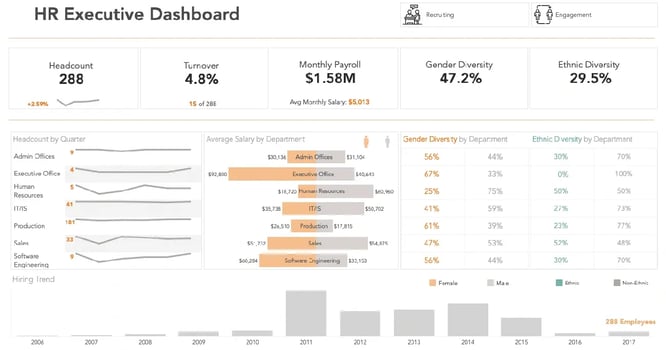
Image Source: XeoMatrix
The success of any HR ticketing system depends on proper monitoring and measurement. HR teams can turn everyday employee interactions into useful business insights by tracking key metrics and building informative dashboards.
Time to Resolution and SLA Compliance Rates
Time to Resolution (TTR) measures how long it takes to resolve an employee's ticket from submission to completion. This key metric affects both employee satisfaction and operational efficiency. The calculation is simple: Resolution Time = Resolution Date/Time - Original Request Date/Time.
Organizations should track both mean and median resolution times to get a complete picture that accounts for outliers. Standard industry response times range from 4-8 business hours for basic tickets to 24-48 hours for complex issues.
The SLA compliance rate shows how well your HR team meets service commitments. You can calculate it as (Tickets Resolved Within SLA ÷ Total Tickets) × 100. Teams should aim for 95% or higher. Companies with quick HR resolution times see employee engagement scores 14% higher than those with slower responses.
Employee Satisfaction Scores from Ticket Feedback
Post-resolution surveys help measure satisfaction and service quality. The math is straightforward: CSAT = (Number of Positive Responses ÷ Total Responses) × 100.
Automated surveys sent right after ticket resolution capture honest feedback while the experience remains fresh. HR teams can spot their strengths and find areas to improve their service delivery this way.
Staff members who don't feel at ease giving upward feedback are 16% more likely to leave their company. Your HR analytics tools can create valuable feedback loops that boost retention and shape workplace culture by tracking satisfaction.
Volume of Tickets by Department or Topic
Looking at how tickets spread across departments and topics helps spot common issues and place resources where needed. Key areas to track include:
- Total tickets created in a selected period
- Distribution by channel (email, portal, phone)
- Categorization by issue type
- Peak volume times and seasonal patterns
Ticket volume per employee (TPE) shows normalized HR service needs. Calculate it as TPE1000 = (Total tickets / Average headcount) × 1,000 to compare organizations of different sizes easily.
Pareto analysis of ticket categories reveals which issues take up most resources. This information helps teams make targeted improvements to reduce unnecessary requests while keeping enough staff for essential services.
HR leaders can make informed decisions about process improvements, resource allocation, and strategic initiatives by combining these three metric types in detailed dashboards. These decisions help improve the employee experience overall.
Strategic Benefits of HR Ticketing Intelligence

Image Source: SlideTeam
The value of an hr ticketing system goes way beyond the reach and influence of administrative efficiency. This system creates opportunities that reshape the scene through intelligent data use.
Learning About Employee Experience Through Analytical Insights
HR analytics tools' data affects employee satisfaction and retention rates significantly. Companies that put experience first in HR shared services show remarkable outcomes. A company boosted its self-service use by 200% among other impressive results. They saw a 25% rise in employee satisfaction and cut service costs by 30%. Employees who have positive experiences are 16 times more likely to participate than those with negative experiences. These findings create real business value. HR ticketing analytics help pinpoint which service improvements will best affect workforce participation.
Supporting Workforce Planning and Budgeting
Companies that use analytical insights are 58% more likely to exceed their revenue targets compared to those who just follow their gut. However, just 18% of leaders regularly use analytics when making people decisions. HR analytics software helps make evidence-based workforce plans. It provides vital metrics about skills availability, turnover trends, and productivity patterns. Specialized tools let HR teams create various scenarios for headcount planning and resource allocation during budgeting. These tools link workforce decisions straight to business results.
Making HR Shared Services More Efficient
The HR ticket deflection rate shows how many employee requests get resolved without human help. This rate serves as a key efficiency marker. AI now boosts HR shared services by handling high-volume tasks while offering predictive insights. This approach combined with automation streamlines operations. HR professionals can now focus on strategic initiatives instead of administrative work. An intelligent HR ticketing system helps teams adapt quickly as organizational needs change.
Conclusion
HR ticketing systems have grown beyond basic request management tools into powerful business intelligence platforms. This piece explores how these systems convert scattered employee interactions into structured data that drives strategic decisions. Organizations can now use rich insights from daily HR transactions to deliver better service, boost employee satisfaction, and optimize resources.
Converting data into applicable information follows a clear path. Ticketing systems capture and sort employee requests to create structured information foundations. This data connects with HRIS platforms and analytics tools, where patterns surface through detailed dashboards. Simple employee questions transform into valuable business intelligence that shapes organizational strategy.
Companies see real benefits from proper implementation. Employee participation improves as faster resolution times link directly to higher satisfaction scores. HR teams can now forecast resource needs, manage budgets, and spot process bottlenecks before they affect the organization.
The most crucial change shows HR evolving from reactive responses to proactive strategy. Evidence-based HR departments spot trends, predict needs, and solve problems early. This transformation adds real value as companies work to attract and keep talent while managing costs.
Smart systems that convert regular interactions into strategic insights will shape HR service delivery's future. Companies that accept new ideas in technology will gain advantages through better employee experiences, smoother operations, and smarter workforce planning. Employee data that becomes business intelligence helps HR drive success instead of just supporting it.
Key Takeaways
HR ticketing systems have evolved beyond basic request management to become powerful business intelligence platforms that transform employee interactions into strategic insights for organizational success.
• Transform administrative chaos into structured intelligence: HR ticketing systems convert scattered employee requests into organized data streams, enabling trend analysis and proactive problem-solving.
• Leverage automation to boost efficiency by 30%: Organizations implementing data-driven HR strategies report 25% higher employee satisfaction and 30% cost reduction through automated workflows.
• Use predictive analytics for strategic workforce planning: Companies utilizing HR data insights are 58% more likely to exceed revenue targets compared to those relying on intuition alone.
• Integrate systems for comprehensive business intelligence: Connecting ticketing platforms with HRIS and analytics tools like Visier creates unified dashboards that reveal bottlenecks and optimization opportunities.
• Measure what matters with key performance indicators: Track time-to-resolution, SLA compliance rates, and employee satisfaction scores to maintain 95% service consistency and drive engagement.
When implemented effectively, HR ticketing intelligence shifts human resources from reactive support to proactive strategic partnership, enabling organizations to anticipate needs, optimize resources, and create superior employee experiences that directly impact business outcomes.
FAQs
Q1. How can HR ticketing systems enhance employee experience? HR ticketing systems streamline processes like onboarding, making them quicker and more structured. They provide easy access to documents, training materials, and self-service options, helping employees settle into their roles more efficiently and resolve issues faster, ultimately improving overall satisfaction.
Q2. What are the key benefits of using data analytics in HR? Data analytics in HR provides valuable insights into employee data, enabling better decision-making and future planning. It helps organizations attract, manage, and retain talent more effectively while fostering a productive work environment. HR analytics can also measure employee performance more accurately and identify areas for improvement.
Q3. Why should organizations consider implementing an HR ticketing system? An HR ticketing system helps teams manage high volumes of requests efficiently. It allows for tracking employee inquiries from start to finish, prioritizing urgent issues, encouraging self-service, and measuring employee experience. This systematic approach can significantly improve HR service delivery and overall organizational efficiency.
Q4. How do HR ticketing systems contribute to business intelligence? HR ticketing systems collect and organize employee data, which can be integrated with analytics tools to reveal trends and patterns. This data-driven approach enables HR teams to make strategic decisions, forecast resource needs, optimize processes, and align HR initiatives with broader business goals.
Q5. What key metrics should be tracked in an HR ticketing system? Important metrics to track include time to resolution, SLA compliance rates, employee satisfaction scores, and ticket volume by department or topic. These indicators help measure service quality, identify bottlenecks, and provide insights for continuous improvement in HR service delivery.
Trusted by 330+ CHROs
See why global HR teams rely on Amber to listen, act, and retain their best people.
